

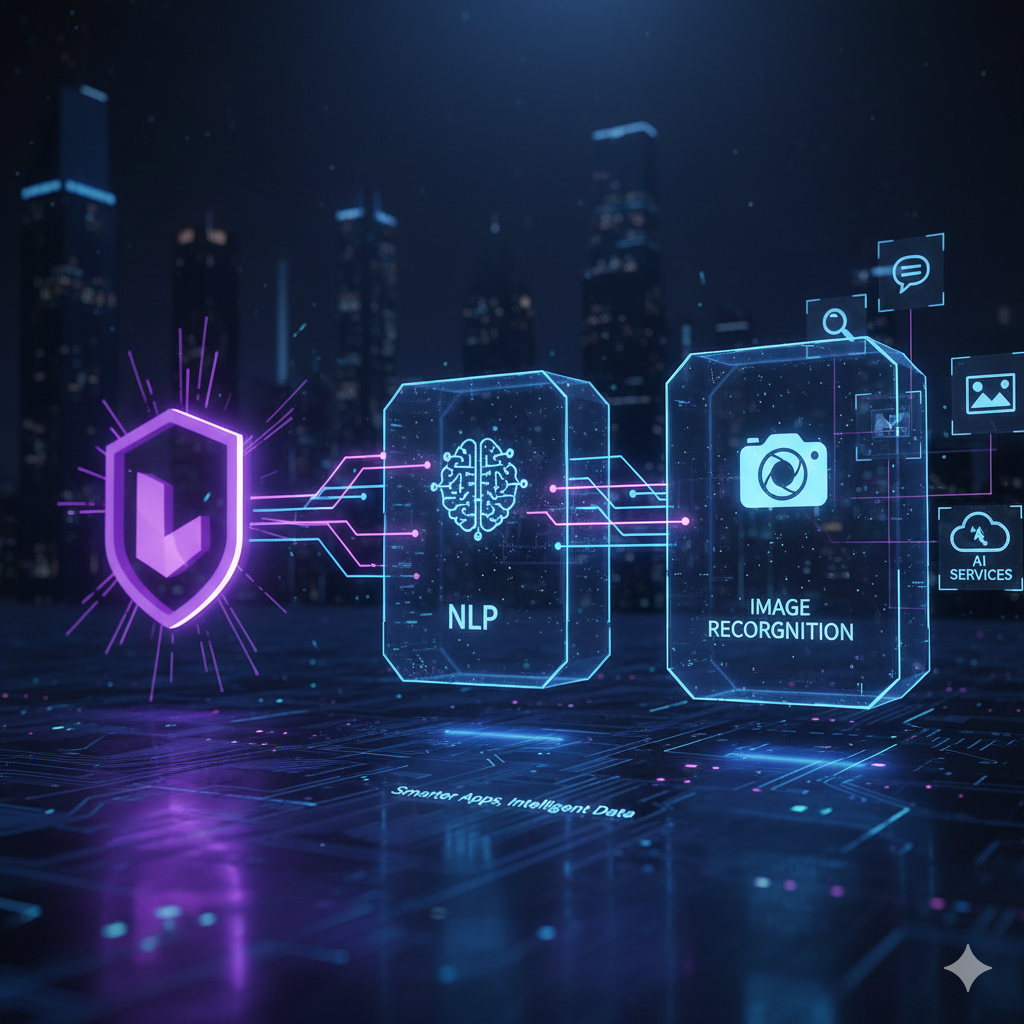
Laravel and AI Integration: How to Use Laravel with AI Services for NLP and Image Recognition
Artificial Intelligence (AI) is transforming how modern web applications interact with users. From chatbots and recommendation engines to image recognition and natural language processing (NLP), AI-powered features are no longer optional—they’re expected.
Laravel, one of the most popular PHP frameworks, provides a clean and scalable foundation for integrating AI services seamlessly.
In this blog, we’ll explore how to integrate AI services into Laravel applications, use cases for NLP and image recognition, and best practices for building AI-powered Laravel apps.
Why Use Laravel for AI Integration?
Laravel is an excellent choice for AI integration because it offers:
- Clean MVC architecture
- Built-in HTTP clients for API consumption
- Queue and job systems for AI processing
- Secure environment configuration
- Scalability for AI-driven workloads
With Laravel, you can easily connect your application to cloud-based AI services without implementing complex machine learning algorithms yourself.
Common AI Use Cases in Laravel Applications
Laravel can integrate with multiple AI-powered services to deliver intelligent features.
1. Natural Language Processing (NLP)
NLP enables applications to understand and process human language. Common NLP use cases include:
- Chatbots and virtual assistants
- Sentiment analysis
- Text summarization
- Language translation
- Spam and content moderation
2. Image Recognition
Image recognition allows applications to analyze and interpret images. Popular use cases include:
- Face detection
- Object recognition
- Image tagging
- OCR (Optical Character Recognition)
- Security and identity verification
AI Services You Can Integrate with Laravel
Laravel works well with many third-party AI platforms, including:
- OpenAI (ChatGPT, embeddings, NLP tasks)
- Google Cloud AI
- Amazon AWS AI Services
- Microsoft Azure Cognitive Services
- IBM Watson
Most of these platforms expose REST APIs, making them easy to integrate using Laravel’s HTTP client.
How to Integrate AI Services in Laravel
Step 1: Set Up API Credentials
Store your AI service keys securely in the .env file:

Laravel’s configuration system keeps sensitive data secure and environment-specific.
Step 2: Use Laravel HTTP Client
Laravel provides a fluent HTTP client powered by Guzzle.

This approach makes Laravel AI integration clean and maintainable.
Laravel NLP Integration Example
Here’s an example of using NLP for sentiment analysis in Laravel:

This method can be used for:
- Customer feedback analysis
- Chat message classification
- Content moderation
Laravel Image Recognition Integration Example
To integrate image recognition:

This can power:
- Facial recognition
- Product image classification
- Document scanning
Using Laravel Queues for AI Processing
AI requests can be time-consuming. Laravel queues help keep your application fast.
Benefits of queues:
- Improved user experience
- Asynchronous AI processing
- Better error handling
Example job:

Queues are essential for scalable AI-powered Laravel applications.
Best Practices for Laravel AI Integration
- Use queues for heavy AI tasks
- Cache AI responses when possible
- Validate and sanitize user inputs
- Handle API failures gracefully
- Monitor usage and costs
SEO Benefits of AI-Powered Laravel Applications
Integrating AI into Laravel apps can boost SEO by:
- Improving user engagement
- Enabling personalized content
- Enhancing search and recommendation features
- Automating content optimization
Search engines favor fast, intelligent, and user-friendly applications—exactly what Laravel and AI deliver together.
Future of Laravel and AI
As AI services continue to evolve, Laravel developers will increasingly build:
- AI-powered SaaS platforms
- Smart dashboards
- Intelligent eCommerce solutions
- Advanced CRM systems
Laravel’s ecosystem ensures long-term compatibility with emerging AI technologies.
Conclusion
Laravel and AI integration opens the door to powerful, intelligent web applications without the complexity of building machine learning models from scratch. By leveraging AI services for natural language processing and image recognition, developers can create smarter, faster, and more engaging applications.